

Heartburn is often called acid indigestion. A person who suffers from heartburn will experience a burning sensation in the chest after eating meals. Heartburn is associated with GERD. This is gastroesophageal reflux disease. GERD can also be a symptom of a certain heart disease and it can often be misdiagnosed. Acid reflux leads to the inflammation of the food tube in the body which is the esophagus. Heartburn can be a sign of a heart attack. To diagnose this problem the doctor will order a series of test which may include an upper GI series. This is a test of the gastrointestinal system.
To treat heartburn the underlying cause must be treated first. If your heartburn is caused by certain foods that you eat, then your doctor or nutritionist will often recommend that you avoid spicy and fatty fried foods. They will give you a diet sheet with a list of healthy foods to help you avoid getting heartburn. It is important that you eat a healthy and well balanced diet. You can learn how to live a heartburn-free life by following your doctor’s orders. Heartburn can be very uncomfortable, painful, and can cause nausea and vomiting.
Stomach acid is what irritates the esophagus can causes one to experience heartburn. Avoid overeating because this can make heartburn worse. Avoid lying down or bending over right after meals. You should give your food time to digest. The digestion process may take about two hours. Coffee, carbonated drinks, tomatoes, chocolate, fatty foods, fried foods, and onions are some foods that will make heartburn worse. Drinking alcoholic beverages and smoking will also contribute to heartburn. Certain prescribed medication such as those that are prescribed for high blood pressure may lead to heartburn. If you are suffering from heartburn, then you need to get medical attention to determine the underlying cause. Your health is what matters most.
Recent Articles

Hidradenitis Suppurativa
Hidradenitis suppurativa is a chronic skin condition that affects areas where skin rubs together. It causes painful lumps under the skin that can last for weeks or even months. These lumps often come back in the same places, which is one of the reasons the condition becomes so difficult to live with.People with hidradenitis suppurativa often spend years thinking they just have recurring boils or stubborn acne. That delay in diagnosis leads to more skin damage over time. Once the condition progresses, it can cause scarring, draining wounds, and tunnels under the skin that do not heal easily.Understanding how hidradenitis suppurativa works makes a real difference. It helps people recognize symptoms earlier and choose the right treatment instead of guessing.What Is Hidradenitis Suppurativa?If you are trying to understand what is hidradenitis suppurativa, it helps to know where it starts. The problem begins in the hair follicle. When a follicle becomes blocked, pressure builds under the skin. That follicle can rupture, which triggers inflammation and pain.Hidradenitis suppurativa is also known as HS disease. Some doctors refer to it as acne inversa, but it behaves very differently from facial acne. These lesions form deeper, hurt more, and heal slowly. They also tend to return to the same spots.The condition usually begins after puberty and can continue for many years. It is not caused by poor hygiene. It is not contagious. You cannot pass HS disease to another person through contact.Also check: Facial Psoriasis: Symptoms, Causes, and Treatment OptionsHidradenitis Suppurativa Symptoms You Should Not IgnoreHidradenitis suppurativa symptoms often start small. A tender bump may show up under the skin and feel sore when touched. It might shrink on its own, then return later in the same area.Over time, symptoms may include:Painful lumps under the skin that do not heal quicklyRepeated boils in the armpits, groin, buttocks, or inner thighsOpen sores that leak pus or bloodBlackheads appearing in pairs in skin foldsThick scars that make the skin feel tight or unevenThese hidradenitis suppurativa symptoms usually affect areas with friction and moisture. Walking, sitting, or raising your arms can become uncomfortable during flare-ups. Many people describe a deep ache or pressure rather than surface pain.Some notice itching or warmth before a flare begins. Pain levels vary, but ongoing discomfort is common when the disease is active.What Causes Hidradenitis Suppurativa?A common question is what causes hidradenitis suppurativa. There is no single trigger, but doctors agree it develops from a mix of internal and external factors.Contributors include:Blocked hair follicles that trap debrisAn immune response that stays active longer than it shouldFamily history of hs diseaseHormonal changes after pubertySmoking, which increases inflammationExtra body weight, which raises skin frictionHidradenitis suppurativa is not an infection. Bacteria may be present later, but they are not the original cause. It also has nothing to do with being unclean. These myths often stop people from seeking proper care.Hidradenitis Suppurativa Stages Explained SimplyDoctors use a staging system to describe hidradenitis suppurativa stages. This helps determine how aggressive treatment should be.Stage 1One or more painful lumpsNo tunnels under the skinNo permanent scarsAt this stage, symptoms may seem manageable. Early treatment can prevent worsening.Stage 2Repeated flare-ups in the same areasTunnels forming under the skinVisible scarringMany people receive a diagnosis at this stage after years of symptoms.Stage 3Large areas affectedMultiple connected tunnelsSevere scarring and skin thickeningStage 3 hidradenitis suppurativa often interferes with daily movement and comfort.Must Read: 10 Best Shampoos for Psoriasis to Help Manage Your ConditionHidradenitis Suppurativa Treatment Options That Are Commonly UsedThere is no cure, but hidradenitis suppurativa treatment focuses on reducing pain, limiting flare-ups, and preventing further skin damage. Treatment depends on disease stage and how often symptoms appear.Medical TreatmentCommon hs treatment options include:Topical antibiotics for early hidradenitis suppurativaOral antibiotics to calm inflammationSteroid injections for painful nodulesHormonal therapy for some patientsBiologic medications for moderate to severe hs diseaseThese treatments aim to control symptoms rather than eliminate the condition.Procedures and SurgeryWhen medication alone does not help, other hidradenitis suppurativa treatment methods may be used:Draining painful abscesses to relieve pressureDeroofing tunnels so they can heal properlyLaser treatments to reduce hair folliclesSurgical removal of severely affected skinSurgical treatment is usually considered for advanced hidradenitis suppurativa stages.Daily Care That Helps Manage HS DiseaseDaily habits play a role in managing hs disease. While they do not replace treatment, they can reduce irritation.Helpful steps include:Wearing loose clothing that reduces rubbingAvoiding tight waistbands and synthetic fabricsKeeping affected areas dryMaintaining a steady body weightQuitting smokingThese habits support medical hidradenitis suppurativa treatment and can reduce flare frequency.Explore more: Learn How To Fight And Treat The Problems Of RosaceaLiving With Hidradenitis Suppurativa Over TimeHidradenitis suppurativa does not follow a straight path. Symptoms often improve for a while, then return without warning. That unpredictability can be exhausting.Working with a dermatologist helps create a plan based on your hidradenitis suppurativa stages, symptoms, and triggers. Early care usually leads to better results. While hs disease is long term, consistent treatment can reduce pain and protect the skin from further damage.Tracking flare patterns, stress levels, and lifestyle changes can also help identify what worsens symptoms. Small adjustments over time often make flare-ups easier to handle. Staying consistent matters more than quick fixes.FAQsThese answers address common concerns about hidradenitis suppurativa.1. Is hidradenitis suppurativa caused by infection?No. Hidradenitis suppurativa is an inflammatory condition. Infection can occur later but does not cause the disease.2. Can hidradenitis suppurativa be cured?There is no cure for hs disease. Treatment helps manage symptoms and reduce flare-ups.3. What type of doctor treats hidradenitis suppurativa?A dermatologist is best equipped to diagnose and manage hidradenitis suppurativa treatment.

Exercise for Intellectual Disabilities: Safe Fitness
Exercise is often presented as a universal solution, but for adults with intellectual disabilities, most advice is not usable as written. Programs are either too vague or too demanding. The result is predictable. People get excluded, injured, or discouraged.Exercise for intellectual disabilities works only when it is designed around real ability, not assumptions. The goal is not performance. It is safer movement, better stamina, and the ability to handle daily physical demands without stress.This article explains how physical activity for intellectual disabilities should be planned and delivered, what adaptive exercise programs look like in practice, and why inclusive fitness programs matter when done correctly.Exercise for Intellectual Disabilities Starts With FunctionExercise for intellectual disabilities should always support everyday movement. That includes walking, standing, lifting, reaching, and maintaining balance. If a workout does not help with these basics, it is not useful long term.Many adults with intellectual disabilities have lower muscle strength, slower coordination, or limited endurance. That does not mean they cannot exercise. It means exercises must be taught clearly and repeated often.Programs that work usually share the same structure:Same routine order each sessionFew exercises, repeated consistentlyClear demonstrations instead of long explanationsSteady pacing without rushingThis approach makes physical activity for intellectual disabilities easier to follow and safer to repeat.Top Pick: Best Exercises To Lose Belly Fat And Get A Flat StomachWhy Exercise Often Gets AvoidedAvoidance is rarely about motivation. More often, it comes from past experiences where exercise felt confusing, unsafe, or embarrassing.Common reasons include:Gyms that feel overwhelmingInstructors who move too fastExercises that require balance or coordination too earlyLack of supervisionSpecial needs exercise programs exist to remove these barriers. When exercise feels predictable and manageable, participation improves.What Adaptive Exercise Programs Look Like in PracticeAdaptive exercise programs adjust movements so they can be performed safely without removing purpose. These programs are not watered down versions of fitness. They are structured differently.Typical adjustments include:Using chairs or walls for stabilityReplacing machines with resistance bandsReducing range of motionBreaking one exercise into smaller partsFor example, instead of lunges, an adaptive exercise program may focus on stepping forward and back while holding support. The legs still work. Balance risk stays controlled.Adaptive exercise programs rely on repetition. Familiarity matters more than variety.Special Needs Exercise Programs and Safety PrioritiesSpecial needs exercise programs should always favor control over intensity. Many adults with intellectual disabilities also manage joint issues, heart conditions, or sensory sensitivities.Safe exercise for special needs adults includes:Longer warm upsClear visual start and stop cuesBuilt in rest periodsConstant attention to posture and breathingPrograms should avoid loud music, crowded layouts, or sudden transitions. A calm environment supports focus and reduces anxiety.Safe exercise for special needs adults also means allowing bad days. Energy levels vary. Programs should adapt without pressure.Inclusive Fitness Programs That Actually WorkInclusive fitness programs allow people with and without disabilities to train in the same environment. When structured poorly, they fail. When structured well, they improve confidence and consistency.Inclusive fitness programs work when:Every exercise has an easier and harder optionModifications are demonstrated openlyNo one is singled outIn a group class, one person may perform a standing exercise while another remains seated. Both are participating fully.Inclusive fitness programs reduce isolation and help normalize adaptive movement in shared spaces.Safe Exercise at Different Ability LevelsSafe exercise for special needs adults depends on current ability, not diagnosis. Programs should scale gradually.Entry Level FocusShort walksChair based strength workGentle stretchingBalance with supportModerate LevelLonger walking sessionsResistance bandsStanding balance drillsSimple circuitsHigher CapacityStructured strength routinesLow impact group classesSports based activitiesAt all levels, safe exercise for special needs adults prioritizes movement quality over repetition count.Keeping Physical Activity ConsistentPhysical activity for intellectual disabilities becomes sustainable when routines stay familiar. Too much variation creates confusion.What helps:Fixed days and timesSame exercise order each sessionVisual reminders or simple checklistsEncouragement without pressureConsistency builds comfort. Comfort builds participation.Daily Movement Still CountsPhysical activity for intellectual disabilities does not need to happen only in a gym. Daily movement supports strength and coordination just as effectively.Examples include:Walking short distancesCarrying light objectsHousehold tasksRecreational playThese activities reinforce functional movement without formal structure.Long Term Outcomes That MatterWhen adaptive exercise programs and special needs exercise programs are followed consistently, changes appear gradually.Common results include:Improved balanceBetter walking enduranceLower fall riskIncreased comfort in public spacesInclusive fitness programs also support social confidence by reducing fear of shared environments.You may also like: Power Yoga for Weight Loss That Actually Works FastWhy Program Design Matters More Than MotivationExercise for intellectual disabilities fails when programs copy mainstream fitness without adjustment. It succeeds when design respects real ability and learning pace.Adaptive exercise programs work because they meet people where they are. Inclusive fitness programs work because they remove unnecessary barriers. Safe exercise for special needs adults works because it builds trust.That is what keeps people moving week after week.FAQsSome of the frequently asked questions are:What kind of exercise is best for adults with intellectual disabilities?Walking, basic strength training, and balance exercises work best. Adaptive exercise programs allow these movements to be adjusted without removing their function.Are inclusive fitness programs safe for beginners?Inclusive fitness programs can be safe when instructors offer clear modifications and control pacing. Many beginners benefit from exercising alongside others.How often should physical activity be done?Physical activity for intellectual disabilities should happen regularly, ideally most days. Short, repeated sessions are more effective than occasional long workouts.

Allergic Rhinitis (Hay Fever): Symptoms, Causes, and Relief
Allergic rhinitis is one of those conditions that people often brush aside until it starts affecting their daily routine. Some feel it only when the weather shifts while others struggle with it through most seasons. What starts as mild irritation slowly becomes something that affects breathing, sleep, mood and overall comfort. Since this condition is extremely common and often poorly understood, I wanted to break it down in a simple way. This guide covers what is allergic rhinitis (hay fever) is, why hay fever shows up the way it does and how natural remedies for hay fever can make life a lot easier.What Is Allergic Rhinitis (Hay Fever)Allergic rhinitis is your body reacting to allergens in the environment. These allergens are usually harmless, yet your immune system treats them as a threat. When that happens your body releases chemicals that create irritation in the nose, throat and eyes. This is what we call hay fever. People experience it in different ways but the core issue remains the same. The immune system becomes sensitive to things like pollen, dust mites, mold spores and pet dander.The intensity of allergic rhinitis (hay fever) depends on how sensitive a person is, how often they are exposed to the allergen and the environment they live in. Some people experience hay fever symptoms only during the spring or monsoon while others experience allergic rhinitis throughout the year due to indoor triggers.Also check: What Are The Causes Of Common Colds: Understanding the ColdCommon Hay Fever Symptoms You Should Not IgnoreHay fever symptoms can be annoying at first and then slowly start affecting your productivity and rest. These symptoms vary from person to person but the usual ones include:Constant sneezingRunny or blocked noseItchy or watery eyesItchy throat or earsPressure or heaviness in the sinusesPost-nasal dripFatigue due to poor sleepMany people confuse hay fever symptoms with a regular cold. The biggest difference is that hay fever does not come with fever or body aches. Symptoms also tend to last much longer. If your nose feels irritated every time you enter a dusty room or step outside during pollen season then allergic rhinitis is most likely the cause.Over time untreated allergic rhinitis can trigger headaches, poor concentration and disturbed sleep. This is why managing hay fever early makes a big difference.What Causes Hay Fever (Allergic Rhinitis) And Why It Keeps Coming BackHay fever has a pattern. It often shows up during certain seasons or specific situations. The most common reasons for what causes hay fever (allergic rhinitis) include:Pollen from grass, trees or weedsDust mites present in mattresses or carpetsMold growing in damp areasPet danderSudden temperature changesPollution or smokeThe reason hay fever keeps coming back is simple. As soon as your body detects the allergen again the immune system reacts. The cycle continues unless exposure is reduced or your body is supported with proper treatment and natural remedies for hay fever.Lifestyle also plays a role. Humidity, pollution, lack of ventilation and unclean soft furnishings all increase the chances of allergic rhinitis.Natural Remedies For Hay Fever That Actually HelpWhen people search for natural remedies for hay fever they usually want relief without depending on medication all the time. While medicines are helpful, especially during severe allergic rhinitis, simple home based steps can make a noticeable difference. These natural remedies for hay fever work well when followed consistently.Steam inhalationWarm steam helps loosen mucus, clear nasal passages and reduce irritation. It is one of the easiest natural remedies for hay fever and works especially well before sleeping.Saline nasal rinseA simple saltwater rinse removes allergens trapped inside the nose. It also reduces inflammation and gives quick relief. Using it once or twice a day helps manage hay fever symptoms effectively.HoneyLocal honey may help some individuals by exposing the body to small amounts of pollen. This is not a guaranteed solution but many people notice reduced allergic rhinitis symptoms after regular use.Warm waterStaying hydrated thins mucus and reduces congestion. Warm water also soothes irritation and supports general sinus health.Turmeric and black pepperTurmeric contains curcumin which supports the body's natural anti inflammatory response. When mixed with black pepper the absorption improves. This simple combination is a common natural remedy for hay fever and helps reduce allergic rhinitis flare ups.GingerGinger can ease nasal irritation and support digestion which also influences overall immunity. Adding it to tea or warm water helps calm hay fever symptoms.Keeping rooms well ventilatedFresh air helps lower indoor allergen levels. Since allergic rhinitis often gets triggered indoors, proper airflow makes daily breathing much easier.aThese simple steps may look small but when combined they create long lasting relief.When To See A ProfessionalWhen hay fever signs persist for a long time or begin to interfere with your sleeping or living patterns, then it is highly recommended that you consult a doctor. Long-lasting allergic rhinitis may give rise to problems such as sinusitis infections or making the asthma symptoms worse. An allergist is capable of performing allergy testing and providing a specific treatment plan. This way, you will be able to tell for sure what you are allergic to and how to deal with it.One does not have to bear allergic rhinitis indefinitely. Out of the combination of natural remedies for hay fever, less exposure, and professional help, the vast majority of people see quite a lot of improvement.More to Discover: Unveiling the Mystery Behind Dry Skin: Causes & TreatmentFinal ThoughtsAllergic rhinitis may be common but it does not have to control your routine. Understanding your triggers and paying attention to consistent care can change how your body reacts. Natural remedies for hay fever work best when followed patiently. Whether your hay fever symptoms show up seasonally or throughout the year, a mix of awareness, clean surroundings and supportive habits can make daily life a lot smoother.Frequently Asked Questions On Allergic Rhinitis (Hay Fever)Got questions? We have covered a few commonly asked questionsIs allergic rhinitis the same as hay fever?Yes, both terms describe the same condition. Allergic rhinitis is the medical name, while hay fever is the more commonly used name. What is the best treatment for allergic rhinitis?The best treatment depends on how strong the symptoms are. Many people get good relief with antihistamines or nasal steroid sprays because they reduce sneezing, itching and congestion. Others use a mix of lifestyle changes, natural remedies and medication during allergy seasons. How do you treat allergic rhinitis permanently?There is no permanent cure, but symptoms can be controlled long term. Allergy shots and sublingual tablets are often recommended for people with strong or frequent symptoms. These treatments slowly train the body to react less to allergens. They do not provide instant results but can offer lasting improvements over time.What is the home remedy for allergic rhinitis?Several home remedies can help. Saline rinses remove allergens from the nose, steam helps loosen congestion and certain foods support the body when irritation increases. Keeping indoor spaces clean, washing bedding often, using air filters and reducing exposure to dust, mold and pollen also help keep symptoms in check.
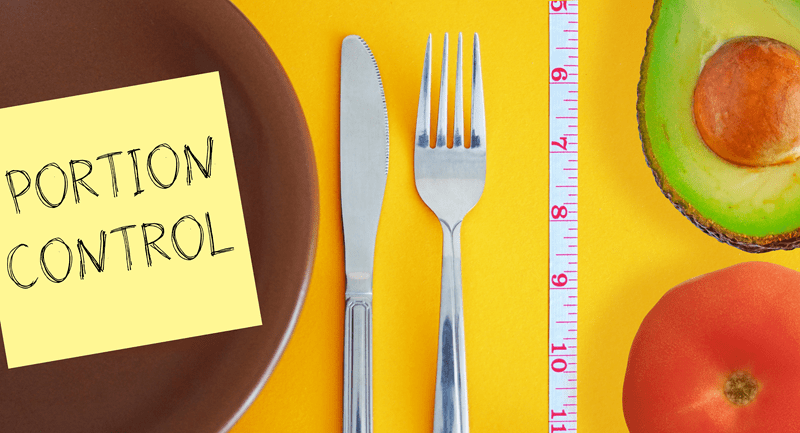
How Portion Control Diet Helps You in Eating Balanced Meals?
A portion control diet is a simple way to manage how much food a person eats without making the process feel heavy. It focuses on serving enough food for the body instead of filling the plate without thinking. In this blog, the meaning of portion control is explained, along with steps that help manage meals, tips that guide daily eating, and simple ways that show how to control the portion size of food.What Is Portion Control and Why It MattersPortion control means being aware of how much food is placed on the plate. Many people eat more when the plate is big or when the food comes in large packets. Over time, these habits make it difficult to notice how much is actually needed. Portion control helps bring attention back to the amount served, which allows meals to feel steady and balanced.It is not a process of restricting someone or making your eating experience stressful. It is focused on building better eating habits with slow and steady changes. The moment you start following portion control meals, you will start noticing the time you are really hungry and need food. This awareness will make your eating process a lot better.Simple habits like using a smaller plate, slowing down during meals, and avoiding large containers help shape the mind's sense of portion sizes. Small steps like these acts as reminders that the body does not need more than what keeps it comfortable. These habits become natural when practiced daily.Portion control also encourages people to include better food combinations. A plate with vegetables, protein, and whole grains feels more balanced. When the plate is arranged this way, the meal becomes easier to manage and prevents overeating. Even though the changes look small, they build a routine that supports better health in the long run.Top Pick: Superfood Recipes for Energy, Immunity, and BalancePortion Control Tips for Daily EatingThese portion control tips help create a simple rhythm during meals. They can be followed by anyone and fit easily into a busy day because the changes are not difficult. They only take a bit of attention.Use Smaller Plates for Mindful EatingA smaller plate helps a person serve less food without feeling like something is missing. When the plate looks full, the mind accepts the portion as enough. Many people find that they eat slower and feel more satisfied when smaller plates or bowls are used. It also helps avoid the habit of piling food onto a large plate.Start Meals With a Glass of WaterA glass of water before eating helps the body pause for a moment. Sometimes people think they are hungry when they are actually thirsty. Water helps settle that confusion. It also slows down the start of the meal and allows the body to send clearer signals. This is helpful when someone is trying not to overeat.Avoid Eating From the ContainerEating directly from the container makes it hard to know how much has been eaten. Whether it is snacks, cereal, nuts, or anything else, pouring the food onto a plate or bowl creates a clear boundary. This simple step helps a person see the portion and avoid eating more than planned. It is a small habit that makes a big difference.Tips to Control the Portion Size of Food at HomeLearning how to control the portion size of food becomes easier when simple guides are followed. These steps help build a better sense of balance and make the plate easier to manage.Use Your Plate as a GuideA plate can act as a natural guide for a balanced meal. Half of the plate can include vegetables or fruits. The other half can be divided into protein and whole grains. This helps create portion control meals that are easy to follow without needing tools or strict measuring. This pattern also makes the plate look complete while staying balanced.Use Hand MeasurementsHand measurements are helpful when measuring tools are not around. The palm can guide the protein portion. A cupped hand can guide vegetables or fruits. A fist can guide grains. A thumb can guide fats. Because the hand size matches the person's body size, this method feels practical and can be used anywhere, even outside the home.Eat Slowly and Notice FullnessEating quickly prevents the body from signaling fullness in time. Slowing down helps the body send the right signals. Taking smaller bites, pausing between mouthfuls, and paying attention while eating are simple ways to feel full with an appropriate amount of food. These steps improve portion control without needing any extra tools.Simple Ways to Practice Portion Control Every DayDaily habits shape long-term success. When simple routines are followed, portion control becomes easier and more natural.Read Food Labels for Serving SizesFood labels show serving sizes that help a person understand the recommended amount. Many people do not notice serving sizes, which makes it easy to eat more than intended. Reading labels does not take long, and it helps create awareness that supports portion control.Measure Food When NeededMeasuring food helps understand real serving amounts. After some time, the person starts recognizing the right portion without special tools. This step teaches the difference between actual portions and what might feel like a portion, which is often larger than needed. Measuring builds a steady understanding that stays with the person.Keep a Simple Food DiaryA food diary helps track what is eaten during the day. Writing down meals brings attention to habits that may lead to larger portions. When the diary shows patterns, it becomes easier to make adjustments. This awareness helps the person guide their own eating without strict rules.Must Read: Best Mood Boosting Foods and Adaptogen Foods for YouHow Portion Control Helps Build Healthier Meals?Portion control meals help build balance. When the plate includes vegetables, protein, and whole grains, the body receives a steady mix of nutrients. This helps with energy and keeps hunger steady during the day.A portion control diet also supports mindful eating. When the person starts noticing how different foods affect hunger and fullness, they naturally begin choosing portions that match their needs. This helps avoid eating based only on habit or routine.Portion control also teaches the difference between hunger and availability. Many people eat when food is present, not when they are hungry. When portion control becomes part of their routine, they begin recognizing the difference and become more aware of their eating habits.ConclusionA portion control diet helps maintain balanced eating through simple habits. When people slow down, use smaller plates, and stay aware of portions, meals feel steady. These steps support better choices and help shape a routine that becomes easier to follow with time.

Superfood Recipes for Energy, Immunity, and Balance
Food should make you feel good. It should keep your body strong, your mind clear, and your mood steady. That's what superfood recipes are all about. When you eat real, nutrient-packed food, you give your body what it actually needs to stay sharp and balanced.You don't need expensive powders or exotic ingredients to eat well. Most superfoods are simple things you can find at any grocery store. The secret is learning how to put them together in a way that fuels your body and keeps your energy up all day.Why Superfoods Matter More Than You ThinkSuperfoods aren't a trend. They're real, whole foods loaded with vitamins, minerals, and antioxidants. They support your immune system, help fight fatigue, and protect your body from everyday stress. That's the base of an antioxidant-rich diet.If you've ever wondered why some people seem to have natural energy while others crash halfway through the day, it often comes down to what's on their plate. When you eat immune-boosting foods like berries, leafy greens, and fish, you're feeding your cells what they need to stay strong. Add some protein, healthy fats, and fiber, and you've built one of the most effective energy meals you can imagine.More to Discover: 10 Easy and Healthy Nutrition Recipes for a Balanced DietWhat Goes Into a Real Superfood MealGood nutrition doesn't have to be complicated. You just need the right mix of ingredients. Here's what to include when you're building superfood recipes that actually make a difference:Leafy greens: Spinach, kale, and Swiss chard are packed with iron, fiber, and antioxidants.Berries: Blueberries, strawberries, and raspberries are known for their immune-boosting power.Nuts and seeds: Chia seeds, walnuts, and almonds give you healthy fats and protein.Fatty fish: Salmon and tuna are excellent sources of omega-3s for heart and brain health.Whole grains: Quinoa, oats, and brown rice keep your blood sugar steady.Healthy fats: Olive oil and avocado support nutrient absorption and add flavor.These ingredients form the base of any solid antioxidant-rich diet. Once you start cooking with them regularly, eating healthy becomes second nature.3 Superfood Recipes You'll Actually Look Forward to EatingThese superfood recipes aren't complicated or time-consuming. They taste fresh, look good on the plate, and give your body what it needs to perform at its best.1. Berry Chia Smoothie BowlThis one's quick, colorful, and full of antioxidants. It's one of the easiest energy meals to start your morning with.Ingredients:1 cup frozen blueberries or mixed berries1 banana½ cup Greek yogurt1 tablespoon chia seeds½ cup almond milk1 teaspoon honey or maple syrup (optional)Toppings:A few fresh strawberriesA handful of granola or crushed almondsA drizzle of honeyDirections:Blend the berries, banana, yogurt, chia seeds, and almond milk until smooth. Pour it into a bowl and add your toppings. It takes less than five minutes to make, and it sets you up with clean energy for the rest of the morning.This smoothie bowl is loaded with immune-boosting foods like berries and yogurt. The chia seeds add fiber and healthy fats, keeping you full longer and making it a great start for an antioxidant-rich diet.2. Quinoa Avocado Power SaladThis salad proves that healthy food can be satisfying and simple. It's full of nutrients, light on calories, and strong on flavor.Ingredients:1 cup cooked quinoa½ avocado, diced½ cup chopped spinach½ cup cherry tomatoes, halved2 tablespoons roasted sunflower seeds1 tablespoon olive oil1 teaspoon lemon juiceSalt and pepper to tasteDirections:In a bowl, mix quinoa, avocado, spinach, and tomatoes. Add sunflower seeds for crunch. Drizzle with olive oil and lemon juice, then season lightly. Toss everything together and serve.You get a mix of fiber, healthy fats, and antioxidants all in one bowl. The spinach and tomatoes give immune support, while quinoa provides steady energy. This is one of those superfood recipes that fits into any lifestyle because it's fresh, quick, and actually filling.3. Garlic Salmon with Veggie RiceThis recipe is simple enough for a weeknight dinner but impressive enough to serve to guests. It's the perfect balance of flavor and nutrition.Ingredients:1 salmon fillet (about 6 ounces)1 cup cooked brown rice½ cup chopped broccoli½ cup diced carrots1 clove garlic, minced1 tablespoon olive oilJuice of half a lemonSalt and pepper to tasteDirections:Cook the brown rice and set aside. Heat olive oil in a pan and add garlic. Once it turns golden, place the salmon in the pan and season with salt and pepper. Cook for about 3 minutes per side until golden. Squeeze lemon juice over the top.In another pan, lightly sauté broccoli and carrots with a pinch of salt. Serve the salmon over rice with the vegetables on the side.This meal checks every box for energy meals. The salmon gives you quality protein and omega-3 fats. The rice and veggies provide fiber and antioxidants. Together, they make a satisfying, balanced dinner that fuels you without slowing you down.You may like: Your Introduction to Healthy White Pizzas: A Brief OverviewHow to Turn These Recipes Into a HabitHealthy eating isn't about perfection. It's about small steps that add up. Here's how to make it easier to keep superfood recipes in your routine.1. Stock your pantry smartly.Keep oats, quinoa, olive oil, and canned salmon on hand. Add frozen berries and spinach to your freezer. You'll always have what you need for immune-boosting foods or quick energy meals.2. Prep ahead.Cook extra quinoa or rice and store it in the fridge. Pre-chop vegetables and wash your greens. When the base is ready, cooking takes minutes.3. Build balanced plates.Every meal should have protein, healthy fats, and complex carbs. That's how you maintain energy and support an antioxidant-rich diet.4. Don't overthink it.If you have yogurt, nuts, and berries, you've got breakfast. If you have fish, greens, and rice, you've got dinner. Keep it simple and consistent.The Long-Term PayoffThe real change doesn't happen overnight. It's the steady pattern that matters. When you eat immune-boosting foods regularly, your body gets stronger. When you build meals around protein, healthy fats, and antioxidants, your energy becomes more stable. Over time, these habits support better digestion, clearer skin, and improved focus.You'll start to notice that your meals give you energy instead of draining it. That's what happens when your plate reflects balance and intention. An antioxidant-rich diet doesn't just help you look good, it helps you feel steady, alert, and strong from the inside out.Don't Miss: 10 Outrageously Delicious Sandwich Ideas To Blow Your MindFinal ThoughtsEating well shouldn't be complicated or expensive. You don't need supplements or strict diets to feel your best. You just need real food, cooked in simple ways that work for you.Start small. Try one of these superfood recipes this week. Maybe the smoothie bowl for breakfast, the quinoa salad for lunch, or the salmon bowl for dinner. Notice how you feel after a few days of clean eating. Better focus, better mood, better energy - that's the result of choosing immune-boosting foods and balanced energy meals that fit into an antioxidant-rich diet.Healthy eating isn't about trends. It's about fueling your body with the right things every single day. Once you feel the difference, you won't want to eat any other way.
Popular Categories
Add Your Comment Here